
The Art of Clay: Understanding the Beauty of Pottery
There is something inherently grounding about reaching down, sinking your hands into cool clay, and watching a raw mass transform under your fingertips. In an increasingly fast-paced and digital world, pottery offers a rare opportunity: the chance to slow down, disconnect from screens, and reconnect with something tactile, elemental, and real.
At its core, pottery is more than just a craft—it is a conversation between the maker, the material, and the element of fire. Understanding the beauty of pottery means appreciating both the meditative process behind each piece and the quiet story contained within the finished ceramic object.
The Allure of the Raw Material
Clay is an extraordinary medium. Formed from weathered rock, mineral deposits, and water over thousands of years, it carries a deep connection to the Earth.
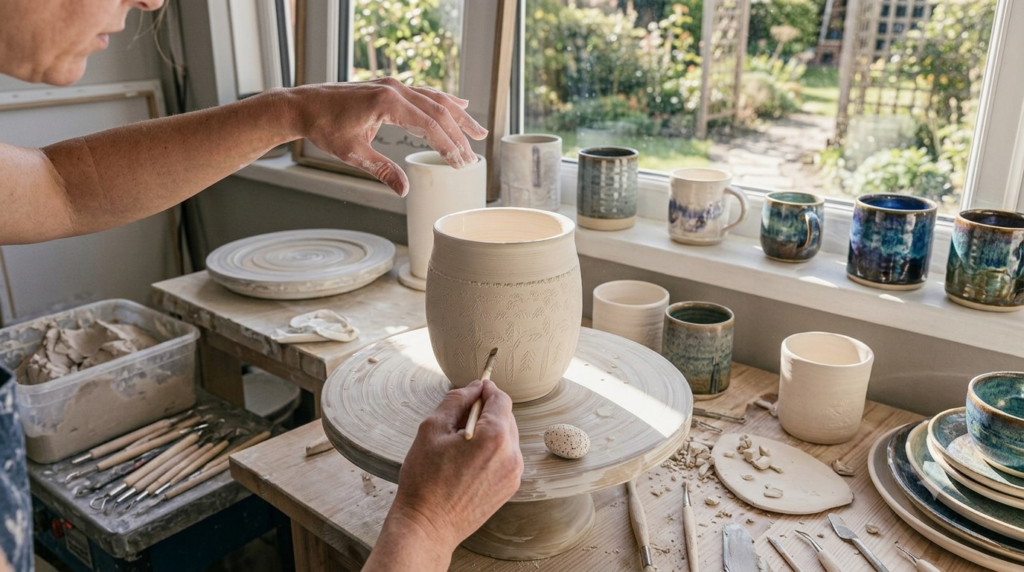
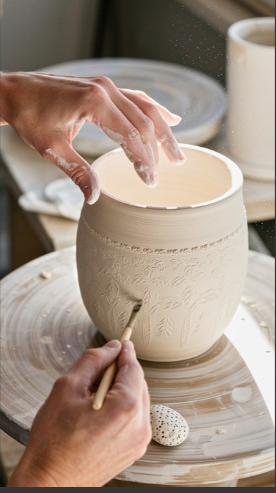
When you sit down at the wheel or work at a studio table, clay responds instantly to your touch. Every pressure of your palm, every movement of your fingers leaves a permanent imprint. This sensitivity forces a unique kind of presence. You cannot rush clay; you must learn its rhythm, respect its moisture levels, and understand its balance.
The Three Pillars of Ceramic Beauty
What makes handcrafted pottery so captivating? Its beauty lies in three key aspects:
1. The Imperfect Elegance of Handcraft
Unlike factory-manufactured ceramics designed for absolute uniformity, handmade pottery celebrates subtle variations. A faint thumbprint near the base of a mug, a soft wave in the rim of a bowl, or a glaze drip caught in motion are not defects—they are signatures of human touch. This aligns with the Japanese concept of Wabi-Sabi—finding beauty in imperfection, transience, and natural simplicity.
2. The Fusion of Art and Functionality
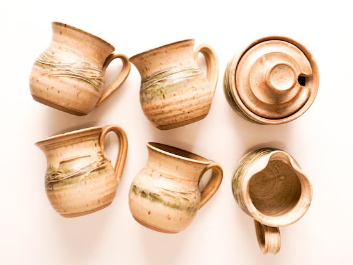
Pottery bridges the gap between fine art and everyday life. A ceramic vessel isn’t meant to sit behind glass in a gallery; it is designed to be held, used, and integrated into daily rituals. Wrapping your hands around a warm, handcrafted mug during morning coffee elevates an ordinary moment into a conscious, comforting ritual.
3. The Magic of Fire and Transformation
Perhaps the most miraculous part of ceramics is the firing process. Once a piece is shaped and dried, it undergoes a dramatic chemical transformation inside the kiln. At temperatures exceeding 2,000°F (1,100°C), glazes melt, fuse, and interact with the clay body. Opening a kiln after a firing is always filled with anticipation—a moment where heat, minerals, and time yield results that are often breathtaking and uniquely one-of-a-kind.
Why We Need Pottery in Modern Life
Engaging with clay—whether as a maker or an appreciator—delivers benefits that go far beyond the aesthetic:
Mindfulness and Stress Relief: Working on the pottery wheel demands total focus. The rhythmic motion and tactile focus naturally quiet a busy mind, acting as a form of active meditation.
Cultivating Patience: Pottery cannot be automated or fast-tracked. Drying, bisque firing, glazing, and final firing all take time. In an era of instant gratification, pottery teaches us the value of patience and process.
Creating Lasting Memories: Every piece made in the studio serves as a physical record of time spent exploring creativity, making mistakes, learning new skills, and mastering a craft.
Discover the Joy of Clay at Our Studio
Whether you are looking to try your hand at the wheel for the very first time, refine your ceramic techniques, or simply find a creative outlet after a busy work week, the studio doors are open.
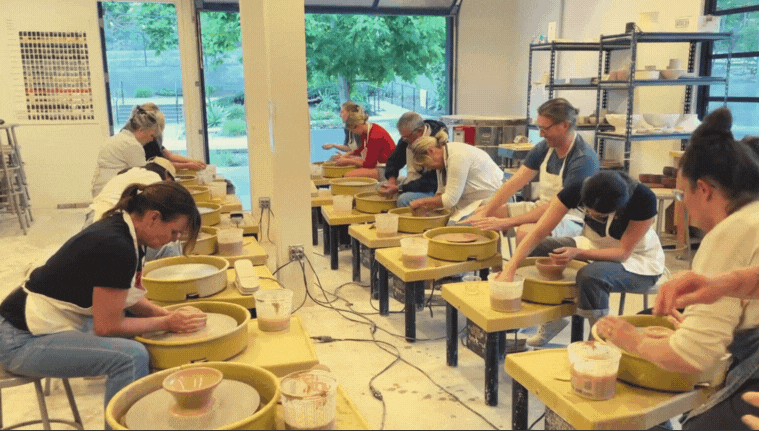
Our structured beginner and advanced courses, hands-on workshops, and collaborative studio environment are designed to guide you through every step of the ceramic journey. Step inside, roll up your sleeves, and experience the beauty of clay for yourself.